
Your Child's First Dental Visit: A Steveston Parent's Guide
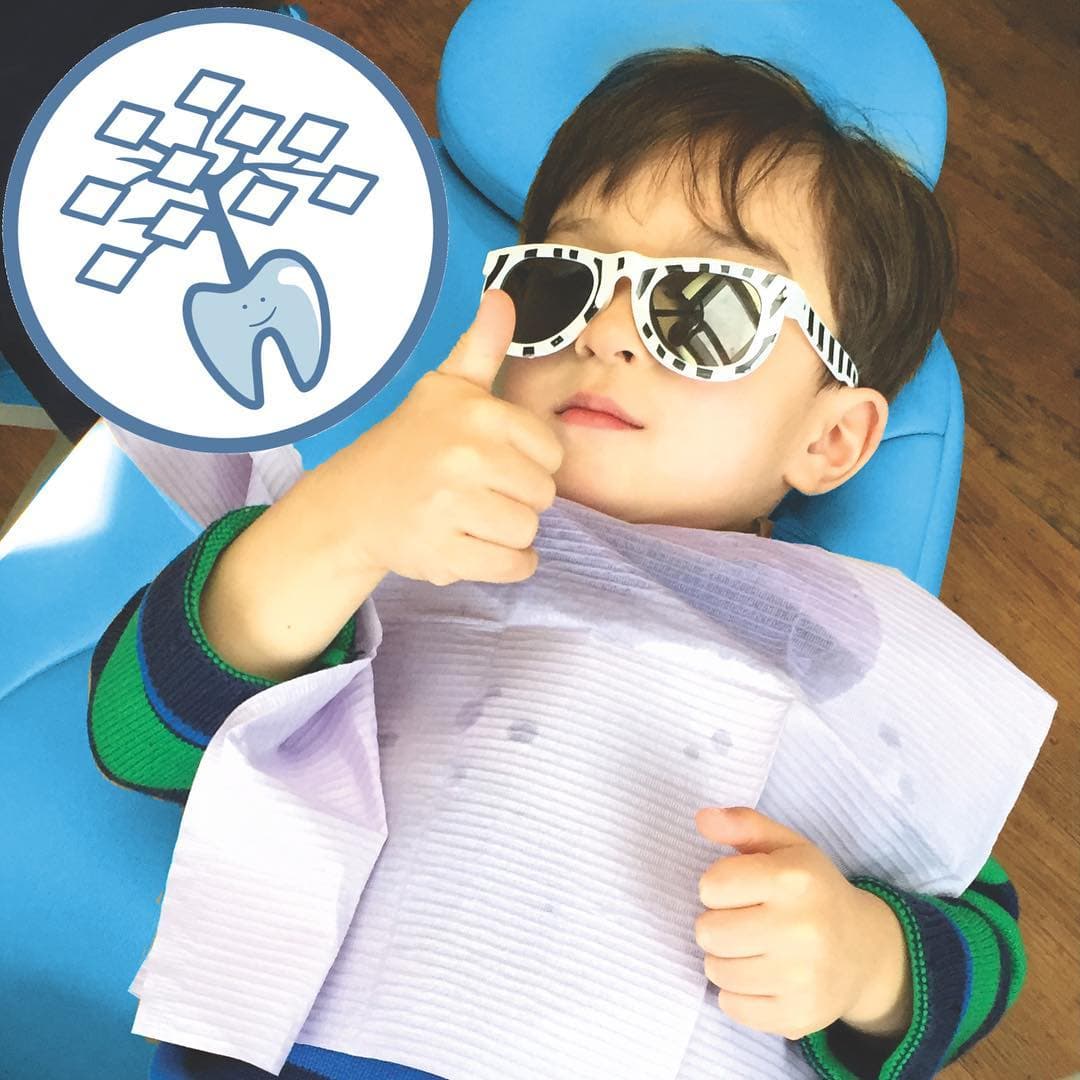
Bringing your little one to the dentist for the first time is a milestone — and, for a lot of parents, a slightly nerve-wracking one. The good news: a first visit is one of the gentlest appointments we do. Here's exactly what to expect, and how to set your child up for a lifetime of easy dental visits.
When should the first visit happen?
The widely recommended guideline is by your child's first birthday, or within six months of their first tooth coming in — whichever comes first. That often feels early to parents, but there's a good reason for it. Early visits are about prevention and familiarity, not treatment. Getting your child used to the sights, sounds, and people of a dental office while the stakes are low is the single best way to prevent dental anxiety later.
If your child is already past their first birthday and hasn't been in yet, don't worry — the best time to start is now.
What actually happens at a first appointment
A first visit is short, friendly, and low-key. Depending on your child's age and comfort, it usually includes:
- A gentle look at the teeth, gums, and jaw to check that everything is developing as it should
- A count of the teeth that have come in, and a look for early signs of decay
- A quick, soft cleaning or polish if your child is comfortable
- A conversation with you about brushing, diet, thumb-sucking, and what to expect next
The real goal of the first visit isn't a perfect cleaning — it's a positive experience. A child who leaves smiling is a child who comes back without a fuss.
For very young toddlers, we sometimes use a "knee-to-knee" position, where your child sits on your lap facing you and gently leans back into the dentist's lap. It keeps your child close to you and comfortable the whole time.
How to prepare your child (and yourself)
A little preparation goes a long way:
- Keep your language positive. Avoid words like "hurt," "needle," or "drill" — even when reassuring. Stick to friendly terms like "count your teeth" and "tickle your smile."
- Read a book or watch a show about visiting the dentist so the setting feels familiar.
- Book a morning appointment when your child is rested and cooperative, rather than near nap time.
- Let them bring a comfort item — a favourite stuffed animal or blanket is always welcome.
- Stay relaxed yourself. Children pick up on a parent's nerves, so a calm, matter-of-fact tone helps more than you'd think.
Caring for little teeth at home
Good habits at home make every future visit easier:
- Brush twice a day with a soft, child-sized brush and a rice-grain smear of fluoride toothpaste (a pea-sized amount once they're three and can spit).
- Help with brushing until your child has the coordination to do a thorough job on their own — usually around age seven or eight.
- Limit sugary drinks and sticky snacks, and avoid sending your child to bed with a bottle of anything but water.
- Make brushing fun with a song or a two-minute timer.
A gentle start in Steveston
At Family Tree Dental, we love welcoming new little patients — in fact, family care is at the heart of what we do. Our team is patient, gentle, and used to making kids feel at ease, and we're happy to answer every question you have as a parent. You can learn more about our family dentistry or, when you're ready, book a first visit online or call us at (604) 370-3132.
Starting early and keeping it positive is the best gift you can give your child's smile.
Frequently asked questions
At what age should my child first see a dentist?
The general guidance is by their first birthday, or within six months of the first tooth appearing. Early visits are short and gentle, and they help your child get comfortable long before any treatment is ever needed.
Will the first visit hurt?
No. A first visit is mostly a friendly look, a gentle count of the teeth, and a chat with you. There are no needles or drills — the goal is a positive, relaxed introduction.
How do I prepare my toddler for the appointment?
Keep it light and positive, read a picture book about visiting the dentist, and book a morning slot when your child is well-rested. Avoid words like 'hurt' or 'shot,' even to reassure — stick to friendly language.
How often should children have a checkup?
Most children do well with a checkup and cleaning every six months, but we tailor the interval to your child's needs.